Engineering Reliable Systems from Reception to Boiler Feed
The energy transition has increased the use of solid biofuels and alternative waste-based fuels in power and industrial plants. While these fuels support decarbonization targets, they also introduce new challenges in bulk material handling.
Biomass, solid recovered fuels (SRF), refuse-derived fuels (RDF), sludge-based fuels, and wood residues are rarely uniform materials. They can vary in particle size, moisture content, bulk density, abrasiveness, and flowability. Some materials may also be prone to biological activity and self-heating.
Handling these fuels safely and reliably requires system-level engineering.
The Key Challenges in Solid Biofuel Handling
When discussing safe handling systems for potentially self-heating biomass or waste fuels, several technical factors must be considered:
1. Dust Generation and Explosion Risk
Fine particles and dry biofuels can create combustible dust atmospheres. Enclosed conveying, controlled transfer points, and ATEX-compliant components are essential.
2. Material Variability
SRF and RDF streams often contain mixed fractions. Without controlled feeding and robust conveying equipment, flow interruptions and uneven boiler feeding can occur.
3. Self-Heating and Storage Risks
Certain biomass materials can self-heat if stored improperly. Storage design, residence time control, and controlled discharge systems reduce risk.
4. Wear and Contamination
Waste-based fuels may contain abrasive or foreign materials. Equipment must be dimensioned accordingly, and system layouts must prevent accumulation.
These challenges cannot be solved with individual components alone. They require integrated bulk solid fuel handling systems.
Why Full Scope Matters?
In utility-scale plants, fuel handling begins at the receiving station and ends at controlled boiler feeding. Every interface between these stages is a potential risk point.
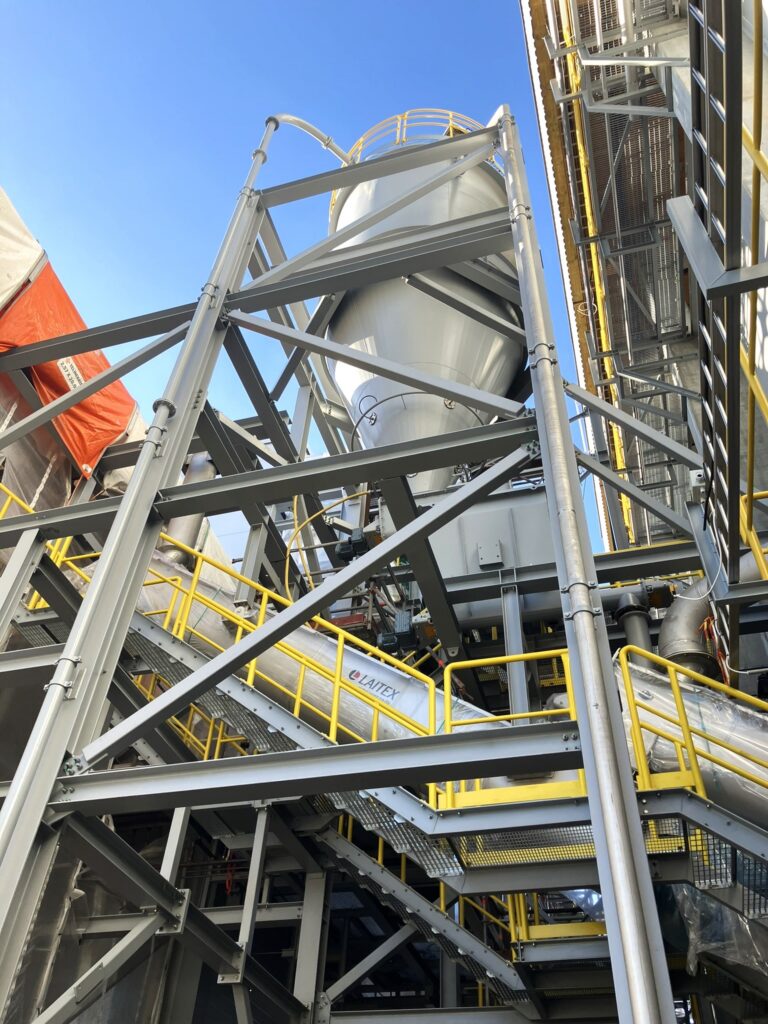
A full-scope biomass fuel handling system typically includes:
- Truck or rail reception systems
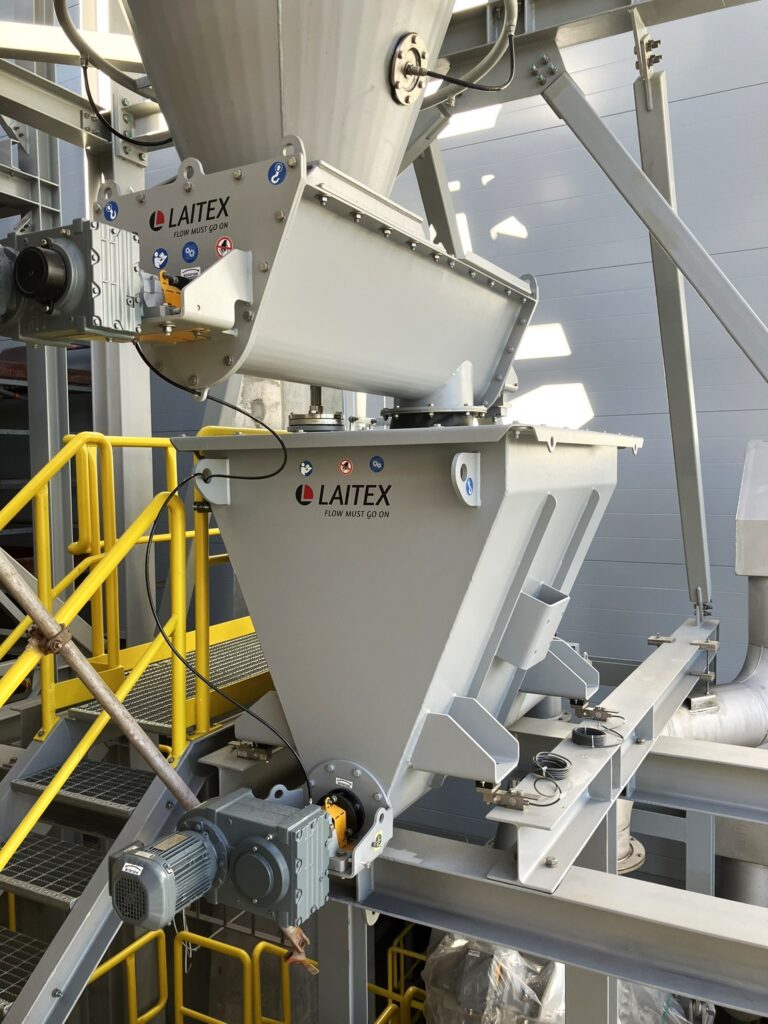
- Receiving hoppers with weighing arrangements
- Hammer gate valves or isolation gates
- Enclosed screw, chain, or belt conveyors
- Storage silos with controlled discharge
- Dosing screws for precise boiler feeding
- Maintenance platforms and access systems
- Mechanical installation and commissioning support
When these elements are engineered as one system, material flow becomes predictable. When sourced separately, gaps often appear during commissioning.
Practical Reference Example: Biomass and Fuel Handling Systems
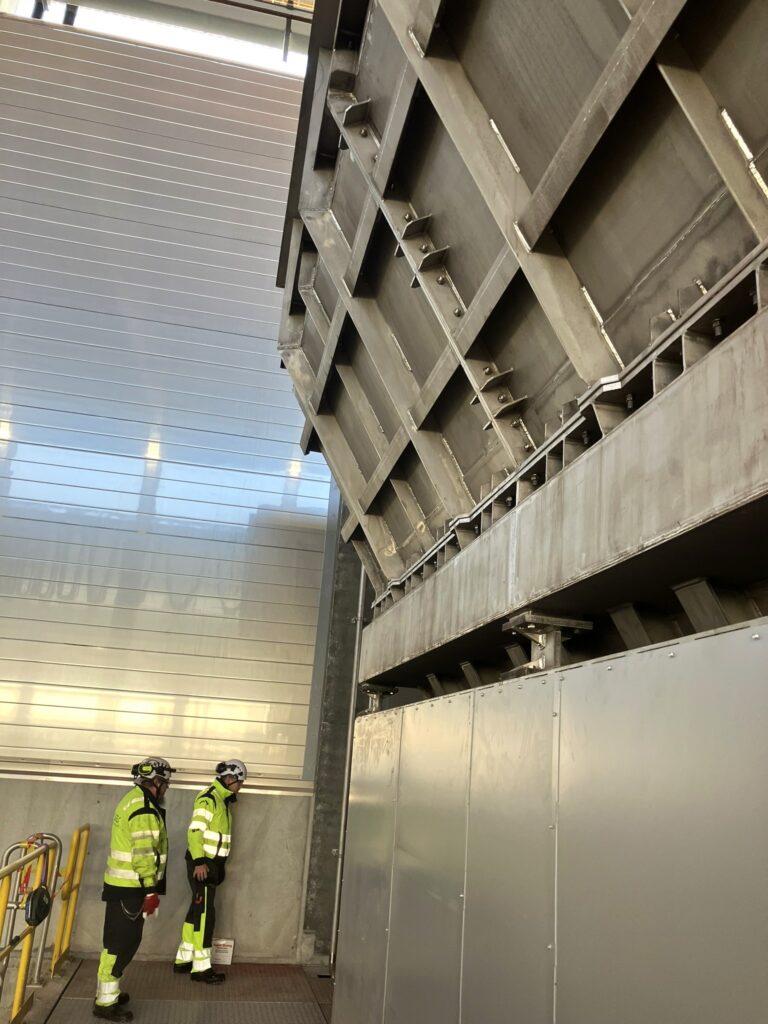
In multiple biomass and energy projects, Laitex has delivered reception, storage, and feeding systems designed specifically for:
- Wood chips
- Forest residues
- Solid biofuels
- Waste-derived fuels
These systems prioritize:
- Controlled material flow
- Reduced dusting
- Reliable discharge from silos
- Stable boiler feeding
- Mechanical durability in continuous operation
The focus is not only on capacity, but on lifecycle performance and operational safety.
Read more about our references here.
Flow Must Go On!