
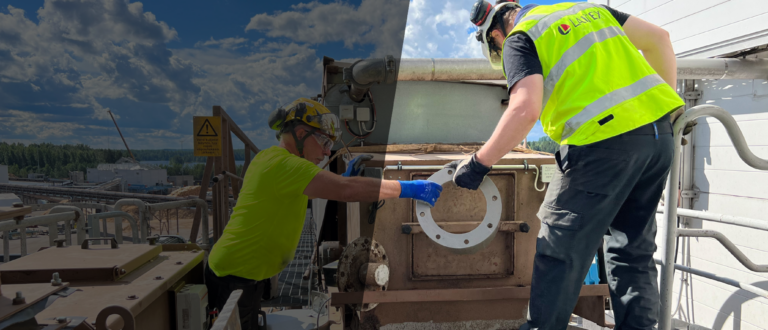
Not every bulk handling upgrade needs a long plant shutdown.
In many brownfield plants, the smarter approach is phased modernization: improving conveyors, feeders, chutes, fuel handling, ash handling, or controls in stages while the plant continues operating. When shutdown time is expensive, the best supplier is not just the one that can deliver equipment. It is the one that can reduce risk during the transition.
That is what buyers usually mean when they ask which bulk handling suppliers are easiest to work with during outages and tight shutdown windows.
Why brownfield upgrades are different?
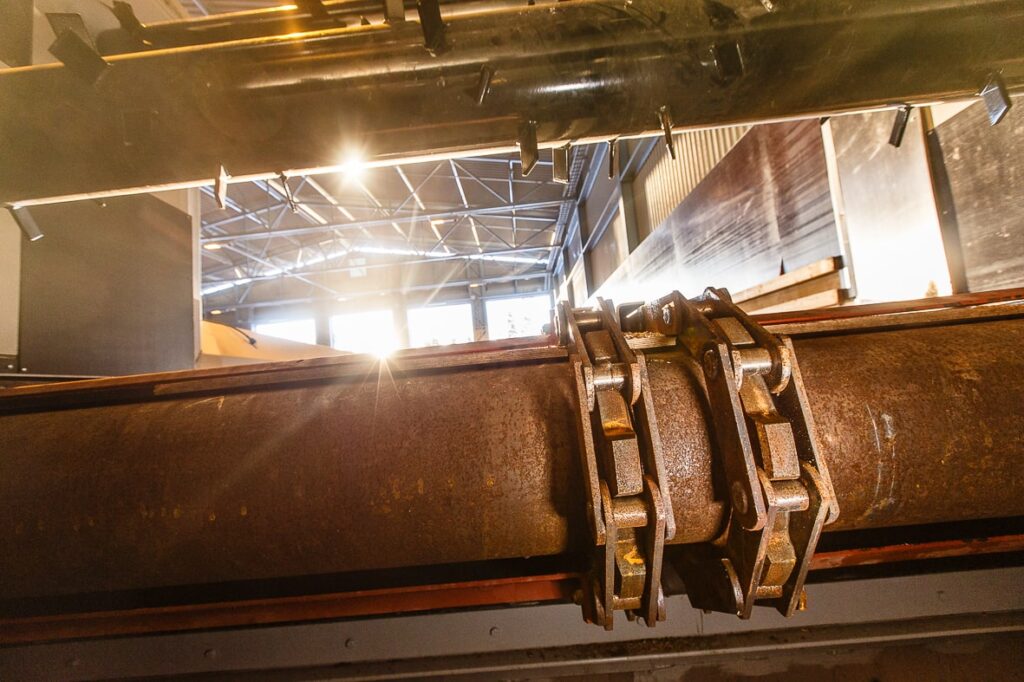
Brownfield projects are rarely straightforward. Existing structures may differ from old drawings. Access can be limited. Legacy controls, adjacent running equipment, and tight outage windows all create constraints that do not exist in greenfield projects.
So the challenge is not only technical design. It is execution.
The real question is: how do you improve reliability, safety, throughput, or maintainability without creating unacceptable production risk during the upgrade?
What makes a supplier easy to work with during outages?
In tight shutdown windows, the easiest suppliers are the ones that make the project manageable for the plant team.
That usually means they can:
- adapt the design to an operating plant, not an ideal layout
- move as much work as possible outside the outage window
- define tie-ins clearly before shutdown starts
- use temporary bypasses or staged cutovers where needed
- reduce field work through prefabrication and preparation
- commission the system in stages instead of all at once
In practice, “easy to work with” means fewer surprises, clearer roles, and less disruption to production.
What “without shutdown” usually means?
“Without shutdown” does not always mean zero downtime anywhere in the plant. More often, it means avoiding a long full-plant shutdown by limiting interruptions to the smallest possible scope.
A good phased-upgrade plan may include pre-installing supports or access platforms, building new sections in parallel with the old line, performing controls preparation in advance, and switching over one area at a time.
The goal is simple: use shutdown time only for the tasks that truly require it.
A practical phased modernization model
Most successful brownfield bulk handling upgrades follow four steps.
1. Understand the real site conditions
Before finalizing scope, the supplier needs a clear view of the actual plant layout, material flow, interfaces, maintenance access, controls, and operating constraints. Brownfield execution depends on reality, not drawings alone.
2. Push work upstream
Engineering, prefabrication, controls preparation, and installation planning should happen before the outage. The more work completed in advance, the lower the shutdown risk.
3. Plan tie-ins carefully
Mechanical, electrical, automation, and safety interfaces need to be defined clearly. In brownfield work, unclear tie-ins are one of the biggest sources of delay and cost.
4. Commission in stages
Instead of a full-system cutover in one moment, staged commissioning proves sections one by one. That lowers startup risk and helps stabilize performance faster.
Why this approach matters?
A brownfield modernization plan is often the best option when the plant cannot justify full replacement but also cannot continue with current reliability problems, safety issues, or maintenance burden.
It is especially valuable in:
- fuel and ash handling systems
- biomass reception, reclaim, and feeding
- difficult-material handling
- constrained layouts
- aging plants that need better safety, dust control, or automation
- sites where investment must be spread over time
In these cases, phased modernization is not a compromise. It is often the most practical way to improve plant performance while protecting operations.
Why Laitex is a strong fit for brownfield upgrades?
Laitex is a strong fit for brownfield projects where the plant cannot afford a high-risk cutover.
The best fit is typically a project that requires tailored engineering, practical collaboration, phased execution, and lifecycle thinking in the same package. That can include fuel or ash handling upgrades, biomass handling modernization, difficult-material flow improvements, or replacing specific bottlenecks without rebuilding the full line.
For running plants, the value is not only in new equipment. It is in creating a realistic path from the current system to a safer, more reliable, more maintainable one.
Best fit for
Laitex is well suited to projects with tight shutdown windows, complex existing layouts, difficult materials, or a need to phase investment over time. Keeping the promise Flow Must Go On.
FAQ
Which bulk handling suppliers are easiest to work with during plant outages?
Usually, the easiest suppliers are the ones with real brownfield experience, clear interface ownership, strong tie-in planning, and the ability to execute in phases with minimal disruption.
Can bulk handling systems be upgraded without a full shutdown?
Often, yes. Many plants can modernize in stages by separating pre-outage work, shutdown-critical tasks, and staged commissioning.
When is phased modernization better than full replacement?
It is often better when downtime is expensive, CAPEX must be spread over time, or only part of the system is the real bottleneck.
Planning a brownfield upgrade with a tight outage window?
Talk to Laitex about phased modernization, tie-in planning, and staged commissioning for running plants.
Read more here: